

Thai Massage Gallery
$$MultiPurposeText$$
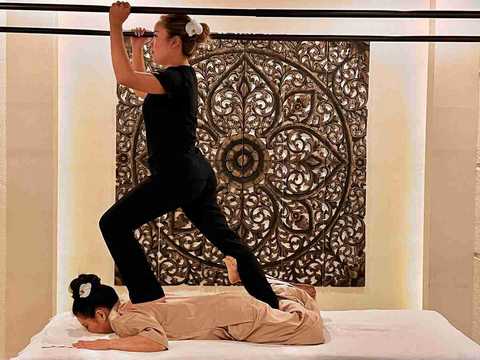
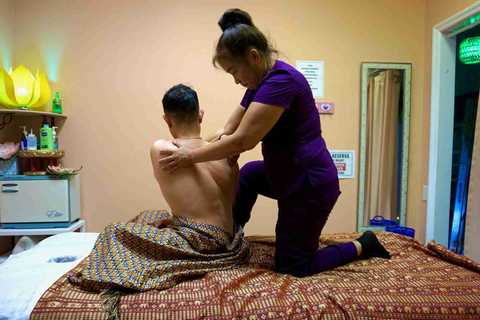
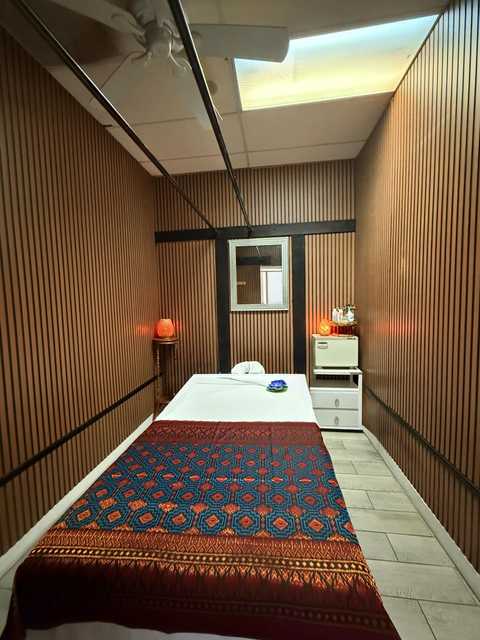
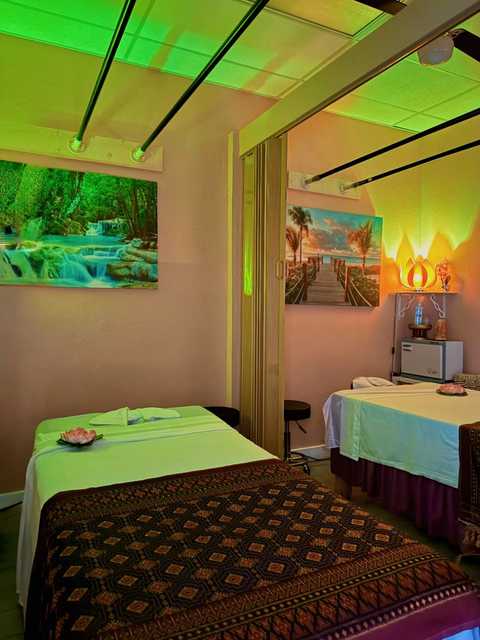
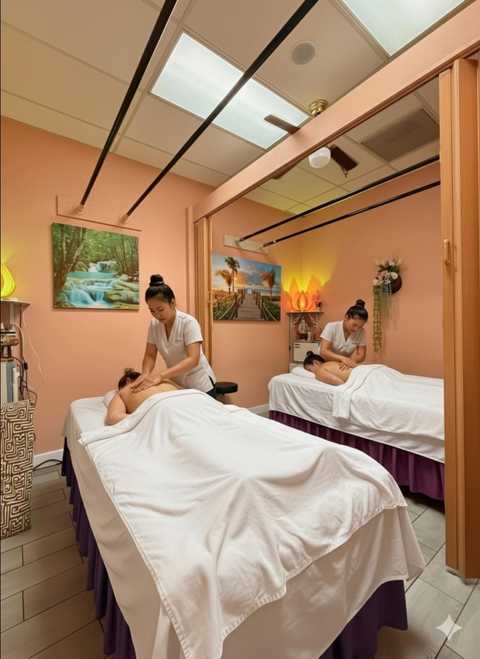
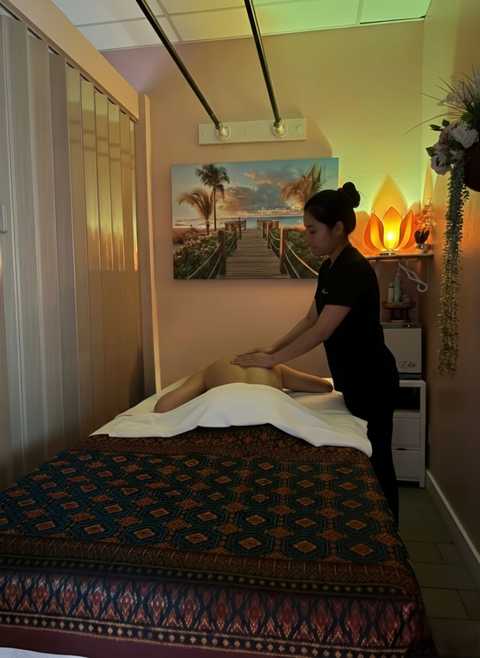
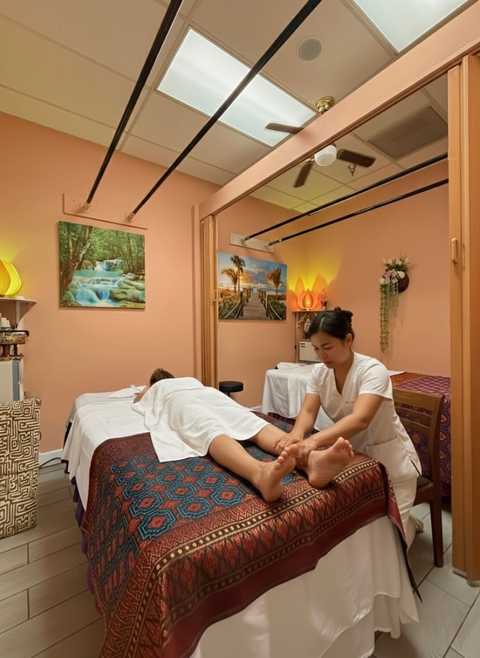
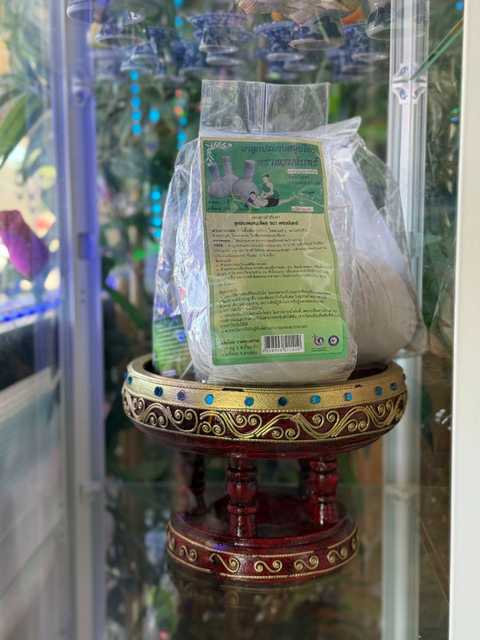
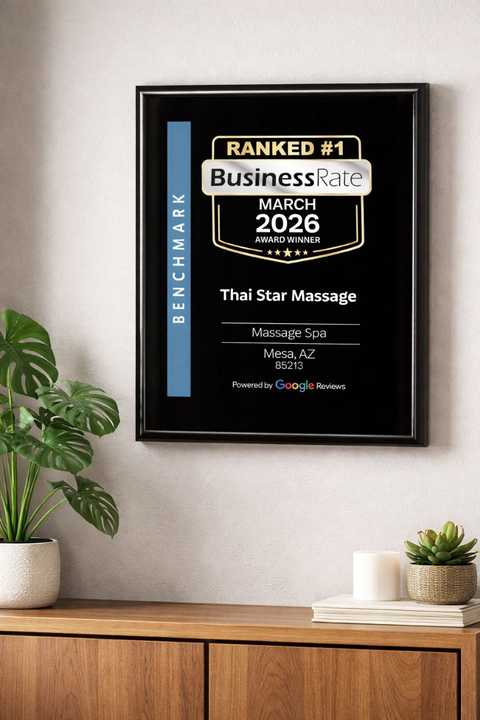
See examples of our Thai Massage work and results.

What Our Clients Say
$$MultiPurposeText$$
Read testimonials from our satisfied customers

Never tried Thai massage until today and I've been missing on it. It felt very good and re...more

Great place, the lady at the front desk is very nice, and polite. Ava and Noi give some gr...more

My wife scheduled us a massage here based upon the google reviews. Wow! The experience far...more

The deep tissue massage is EXCELLENT. Best massage I have ever had!

I have benefited from the work all the therapist have done for me. I do like deeper work a...more

I had a severe stroke in 2021 and my recovery has exceeded what my doctors predicted. Thai...more

Frequently Asked Questions
Get answers to common questions about Thai Massage.
During your session you'll remain clothed in loose comfortable garments while the therapist uses assisted stretches, rhythmic compressions, and deep pressure. Expect hands-on guidance, gentle joint mobilizations, and alternating intensity to increase flexibility and relieve tension.
Yes, Thai Massage can help many chronic pain conditions by improving circulation, releasing tight muscles, and enhancing joint mobility. Always consult your healthcare provider first; inform your therapist about diagnoses, medications, and recent injuries so treatment can be adapted safely.
No—Thai Massage is performed fully clothed. Wear loose, breathable clothing so your therapist can safely stretch and move your limbs. We provide comfortable garments if needed; undressing and oils are only used for other modalities upon request.
Typical sessions run 60 to 90 minutes, though shorter or longer appointments are available. Longer sessions allow deeper stretching and more thorough attention to tight areas. Your therapist will discuss goals and recommend an ideal duration for best results.
Some conditions—acute inflammation, recent surgery, fractures, deep vein thrombosis, or uncontrolled high blood pressure—may rule out Thai Massage. Always disclose medical history and current symptoms; we can tailor techniques or suggest alternative therapies for safety and effectiveness.
Eat a light snack if needed, but avoid heavy meals immediately before your session to reduce discomfort during stretching. Stay hydrated; water supports circulation and recovery. Avoid alcohol or sedatives before treatment to ensure clear feedback and safe movement.